
TLDR
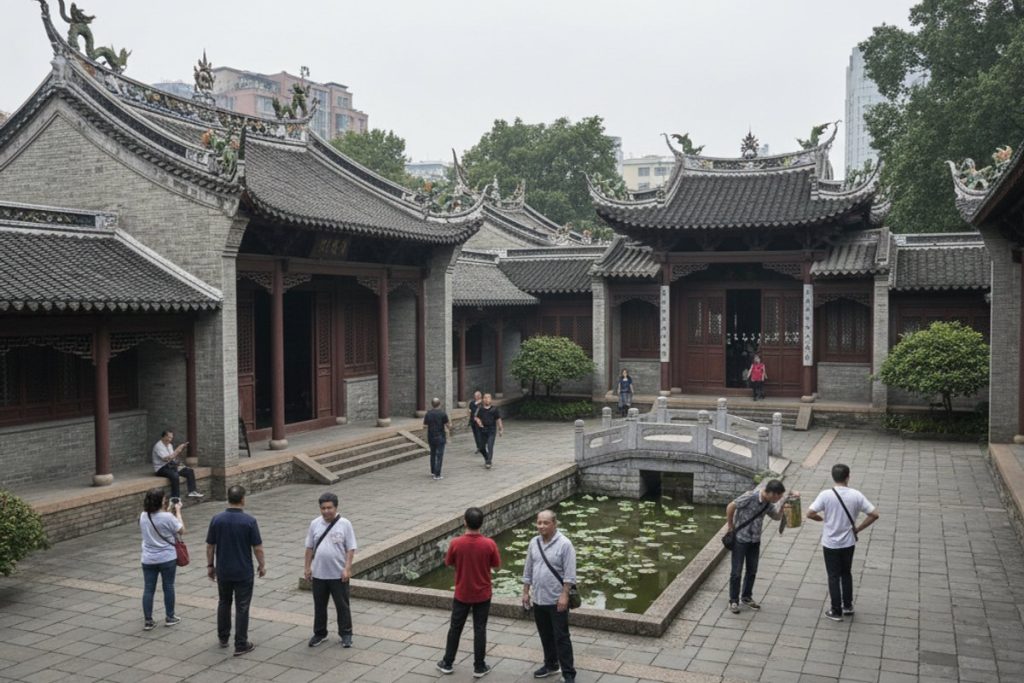
Chen Clan Ancestral Hall is a Qing dynasty academy and ancestral temple built 1890 to 1894 by the Chen clans of 72 Guangdong counties. It now houses the Guangdong Folk Art Museum. Entry 10 CNY, open 9am to 5.30pm, reached via Metro Line 1 to Chen Clan Academy Station. Allow 90 minutes to 2 hours.
Insider Tip
Arrive at 9am when the gates open, head straight to Juxian Hall in the centre, and spend the first 30 minutes with the wood carvings before tour groups land at 10am. The afternoon light on the ridge friezes is best around 3pm if you come back for a second pass.
Planning your stay? Search Guangzhou hotels on Booking.com, with Chen Clan Academy Station a 20-minute metro ride from most central hotels.
A Cantonese Craft Showpiece from the 1890s

The hall was funded by private donations from 72 Chen clan lineages across Guangdong province, pooled to build a combined ancestral temple and academy where Chen clan students could prepare for the imperial civil service exams. Construction ran from 1890 to 1894, at the very end of the Qing dynasty, and the design pulled together the best craftsmen in southern China to show what Cantonese regional building traditions could do.
The result is a six-courtyard, three-axis compound covering 15,000 square metres with nineteen halls and ten side annexes. It survived the Republican era, the 1938 Japanese occupation and the Cultural Revolution largely intact, thanks partly to being used as a school and later as a factory, which kept the building in use and discouraged demolition. Since 1959 it has operated as the Guangdong Folk Art Museum.
It is listed as a Major Historical and Cultural Site Protected at the National Level, and forms part of the Chinese tentative list for UNESCO World Heritage under the broader Cantonese architecture category. For how Chen Clan sits in a typical Liwan District walking day, the things to do in Guangzhou guide pairs it with Shangxiajiu and Yongqingfang.
What to Look For Inside
The headline feature is the ridge friezes that run along the tops of all nineteen halls. These are painted ceramic sculptures made by Foshan Shiwan craftsmen, showing scenes from Chinese opera, historical battles and everyday life. The detail is fine enough to pick out individual facial expressions on 10 centimetre figures. Afternoon light from the south catches them best around 3pm.
Juxian Hall, the main central building, holds the wood carvings that draw the most attention. A single screen can hold 30 or more figures in layered depth, carved from camphor wood in the late 19th century. The subject matter is mostly Three Kingdoms era scenes including Battle of Red Cliffs, and the craftsmen used the natural grain to work cloud and water textures into the background.
The iron casting at the main entrance gates, the grey brick sculptural panels in the side walls, and the lime plaster murals above doorways are the other craft categories on display. Inside the museum rooms at the back of the complex, the collection extends to Guangdong embroidery, ivory carving, porcelain from Shiwan kilns and traditional shadow puppets. The ivory pieces are among the most detailed examples of late Qing craft work anywhere in China.
Getting There, Tickets and Practical Details
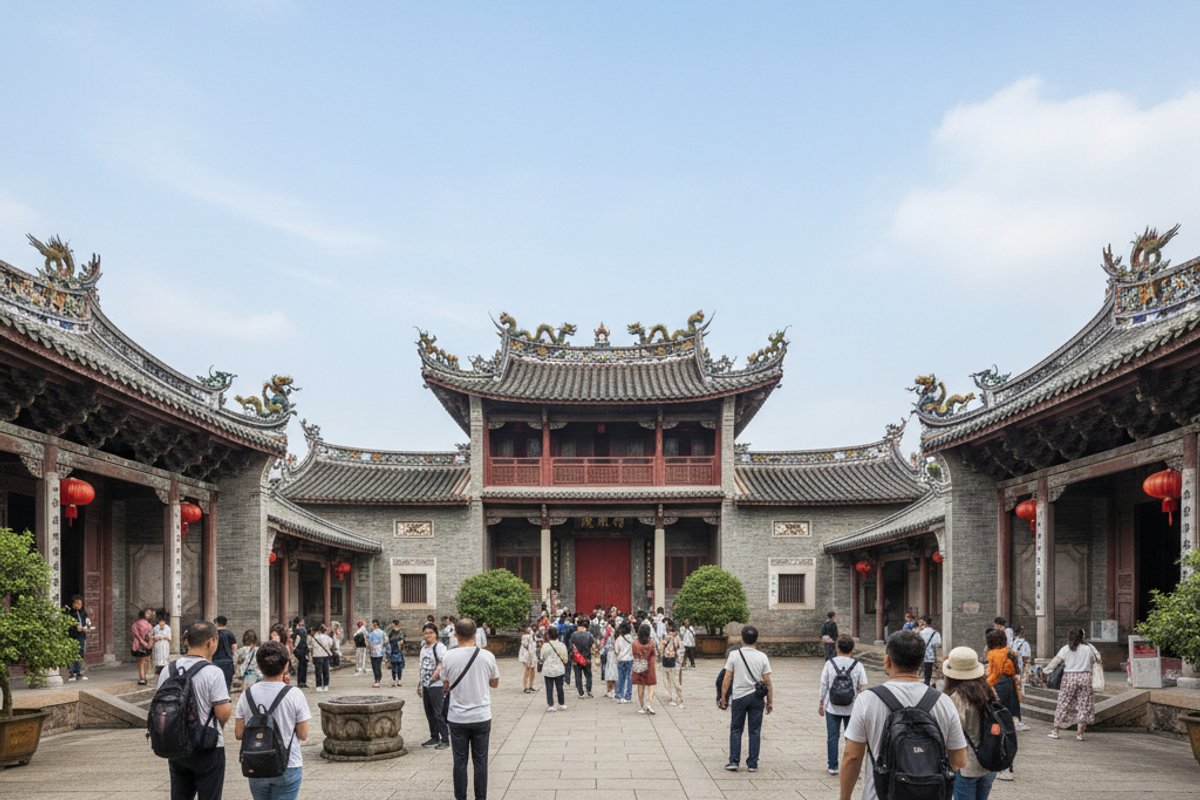

Metro Line 1 to Chen Clan Academy Station (Exit D) drops you at the front gate. From central Tianhe it takes 20 minutes with no changes, and from Baiyun District about 35 minutes via Line 2 interchange at Gongyuanqian. Didi from most central hotels runs 25 to 45 CNY. The site has no parking for visitors, so the metro is the sensible default.
Entry costs 10 CNY for adults, free for children under 1.2 metres, students with valid ID and seniors over 60. Book through the official WeChat mini-program to skip the ticket queue on weekends. Opening hours are 9am to 5.30pm daily with last entry at 5pm. The site is rarely closed, but check the museum’s WeChat channel during Chinese New Year when some halls are used for exhibition turnover.
Allow 90 minutes for a standard visit and 2 to 2.5 hours if you plan to look at the carvings slowly or see all the museum exhibition rooms. A decent audio guide is available at the entrance for 20 CNY in English, Mandarin or Cantonese. The site is flat and fully wheelchair accessible, unusual for a Qing dynasty building.
What to Do Afterwards
Liwan Plaza shopping mall sits a 5 minute walk east for jewellery, fabric and leather wholesale shopping, though the plaza is more working market than tourist mall. Shangxiajiu pedestrian street is a 15 minute walk south-west with Cantonese snack stalls, 1920s arcade architecture and budget shopping. For lunch, Tao Tao Ju on Dishifu Road near Shangxiajiu is the classic nearby option for dim sum at 60 to 120 CNY per person.
A natural half-day loop runs Chen Clan at 9am, Shangxiajiu from 11am, lunch at Tao Tao Ju from 12.30, then Yongqingfang heritage alleys by 2pm and a walk across Renji Bridge to Shamian Island by 3.30pm. Total walking distance is about 4 kilometres, and you finish with river views at the western end of Shamian. The self-guided Liwan walk covers the full route.
Why Chen Clan Beats Newer Sites
Most visitors head to Canton Tower and maybe Shamian Island and skip Chen Clan because it takes a metro change and does not feature on the generic top-five attraction lists. That is a mistake. Chen Clan is the single best preserved example of Cantonese regional architecture anywhere, and the craft traditions on display (ridge frieze ceramic sculpture from Foshan Shiwan, Canton wood carving, grey brick wall sculpture, iron casting, lime plaster murals, Guangdong embroidery, ivory and shadow puppet collections) are concentrated here in a way you will not find at newer tourist sites built in the last 30 years.
The entrance fee of 10 CNY is genuinely absurd value for what you get. Similar ancestral hall sites in other Chinese cities that have been turned into tourist attractions charge 50 to 100 CNY, usually for buildings that were rebuilt in the 1990s. Chen Clan has the original late Qing fabric, visible labour, and a museum layer that helps you read what you are looking at. If you have only one half day in Liwan, this is the stop that rewards slow attention.
You might also find these useful: Shamian Island Guide, Best Restaurants in Guangzhou, Walking Tours in Guangzhou.
“The wood and ivory carvings in the main hall are worth the 10 CNY entry on their own. Spent about two hours here, best part was the ridge friezes lit by afternoon sun. Metro Line 1 drops you at the gate.”
“Good base for exploring Guangzhou. Walking access to Yuexiu Park and easy metro to Liwan for dim sum at Tao Tao Ju. Reception helped us book high-speed rail tickets to Shenzhen.”
Find a base in Guangzhou
Hotels in Yuexiu and Tianhe put you within 25 minutes of Chen Clan Academy Station via Metro Line 1 and Line 2.
Search Guangzhou HotelsWe may earn a small commission if you book through this link. It does not cost you anything extra.
See Chen Clan Ancestral Hall Guangzhou in Person
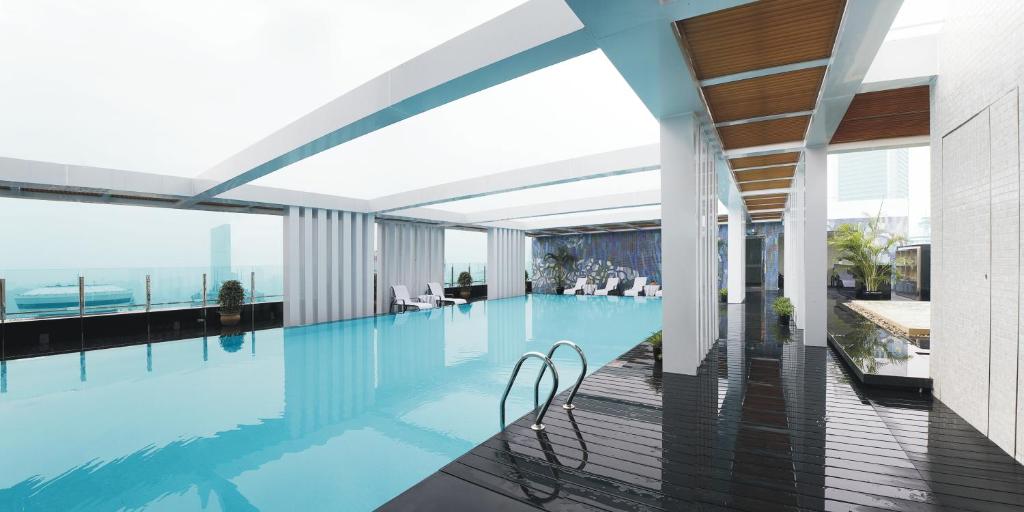
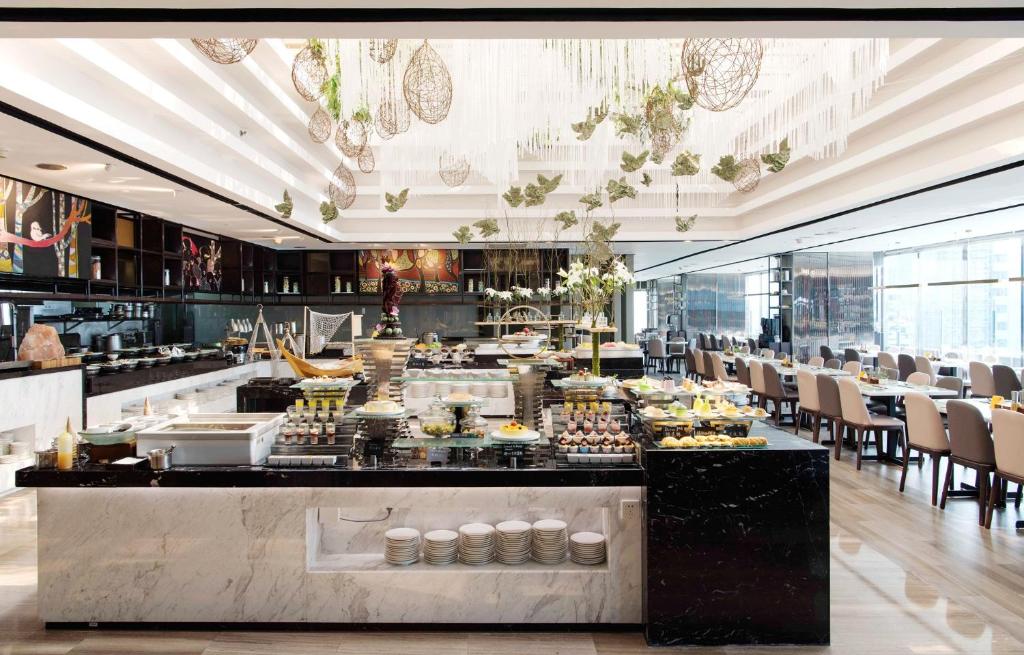
See Guangzhou Baiyun Hotel for Yourself
Browse All Photos on Booking.com →
This post contains affiliate links. We may earn a commission at no extra cost to you.
Frequently Asked Questions
See Guangzhou Baiyun Hotel for Yourself

Browse All Photos on Booking.com →
This post contains affiliate links. We may earn a commission at no extra cost to you.
What is Chen Clan Ancestral Hall?
The Chen Clan Ancestral Hall is a Qing dynasty academy and ancestral temple built between 1890 and 1894 by members of the Chen clan from 72 counties of Guangdong. It now operates as the Guangdong Folk Art Museum and is one of the best preserved examples of traditional Cantonese architecture in the city.
How much is admission to Chen Clan Ancestral Hall?
Admission is 10 CNY for adults and free for children under 1.2 metres tall, students with valid ID and seniors over 60. You can scan the WeChat mini-program at the entrance to book a ticket in advance, which saves queueing on weekends. Opening hours are 9am to 5.30pm daily with last entry at 5pm.
How do I get to Chen Clan Ancestral Hall?
Take Metro Line 1 to Chen Clan Academy Station (Exit D), which is right at the front gate. From Baiyun District it is a 20 minute metro ride with no changes. Didi from Canton Tower runs around 25 to 35 CNY and takes 20 minutes outside rush hour.
How long does a visit take?
Allow 90 minutes to 2 hours to walk through the nineteen halls, six courtyards and ten annexes at a relaxed pace. Add another 30 minutes if you want to sit with the detailed wood and ivory carvings in the main hall, which reward slow looking more than a quick walk through does.
What are the highlights of Chen Clan Ancestral Hall?
The headline features are the ridge friezes showing scenes from Chinese opera in painted ceramic, the iron casting gates, the wood carvings in the main Juxian Hall depicting Battle of Red Cliffs scenes, and the ivory and embroidery collections inside the Folk Art Museum rooms at the back of the complex.
Is Chen Clan Ancestral Hall worth visiting?
Yes, particularly if you have any interest in Cantonese craft traditions or late Qing architecture. It is more rewarding than a lot of the newer tourist sites because the building itself is the exhibit and has survived largely intact since the 1890s. Two hours here beats four hours at a less distinctive attraction.
Can I take photos inside?
Photography is allowed throughout the courtyards and halls without flash. Tripods require a small permit from the ticket office. The best photo spots are the south-facing main entrance in morning light, the inner courtyard after 10am when the ridge friezes catch the sun, and the wood-carved screens in Juxian Hall.
Are there other attractions nearby?
Liwan Plaza shopping mall is a 5 minute walk for jewellery and fabric shopping, Shangxiajiu pedestrian street is 15 minutes on foot for Cantonese snacks, and Shamian Island sits 25 minutes away by metro with one change. Pairing Chen Clan with Shangxiajiu and an early dinner at Taotaoju makes a strong half day.